How to Book a Nazca Lines Flight: Companies and Schedules
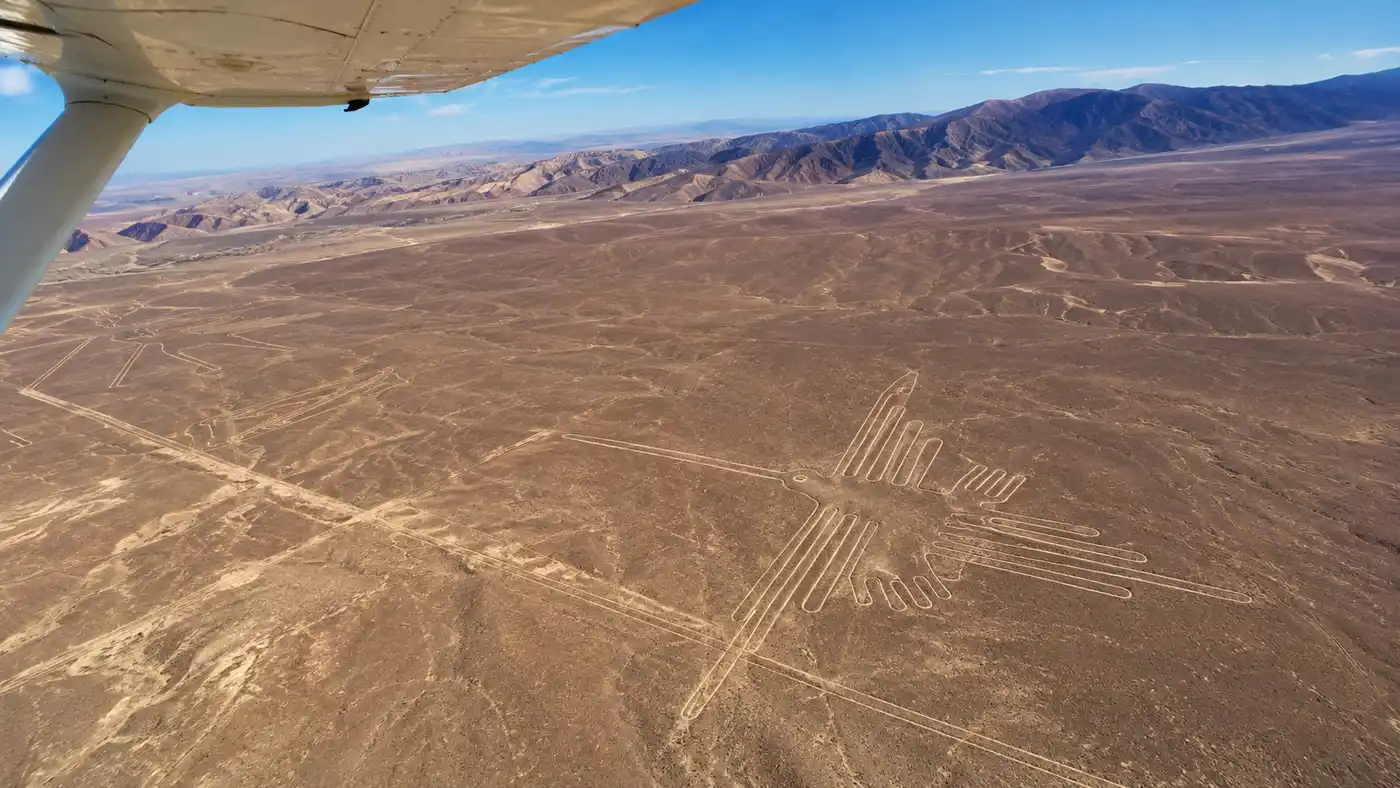
The small terminal at Maria Reiche Neuman Airport smells of strong coffee and aviation fuel at seven in the morning. Outside on the apron, six-seater Cessnas sit parked on cracked asphalt while the sun burns the cold desert mist off the pampa. Securing a reliable nazca lines flight booking before you roll into town makes the difference between boarding a smooth morning departure and spending six hours stuck on a plastic bench waiting for wind delays to clear.
Every year, thousands of people head into this dusty corner of southern Peru to peer down at monkeys, hummingbirds, and weird geometric runways scratched into the stony ground. The booking process looks simple on paper, but between rogue street brokers, unpredictable coastal winds, seasonal price spikes, and shifting airline permits, you need to understand how the system actually works. This guide breaks down the operators, the booking channels, daily schedules, and the practical quirks you will encounter along the way.
Book your nazca lines flight experience:
Where and How to Handle Your Nazca Lines Flight Booking
You have three distinct ways to reserve your seat in the sky. You can book directly with an operator online months ahead, hire a local agency in Lima, Arequipa, or Huacachina, or walk straight up to the airline counters inside the Nazca terminal. Each path carries trade-offs in price, flexibility, and convenience.
Booking online through official airline websites or vetted aggregators guarantees your seat and locks in a departure slot. This matters during peak travel season from June to September. If you arrive in Nazca on an overnight Cruz del Sur bus with only half a day to spare before catching another bus to Arequipa, booking online in advance is essential. You pay slightly more on average, usually between $90 and $130 depending on the season, but you avoid airport chaos. Read through recent Nazca Lines flight costs to see current rate ranges across different towns.
Can you book nazca lines flight at the airport on the spot? Yes, travelers do it constantly. If you walk into the terminal around 8:00 AM during the low season between November and March, desks compete openly for your business. You can walk from booth to booth and negotiate a flight for maybe $75 to $85. The catch is schedule priority. Passengers with advance bookings fly first. Walk-ins fill the empty middle seats or wait until early afternoon when thermal winds pick up and make the ride rough.
Street touts will corner you the moment you step off your bus at the Nazca terminal. They wear laminated badges and insist they represent official airlines. Walk past them. They pocket a 20 to 30 percent commission simply for walking you two blocks to an agency or hailing a taxi to the airfield. If you want to book in person, take an official taxi straight to the airport for 6 to 8 soles and talk directly to the airline ticket agents behind the glass.
Note: Some budget agencies advertise rock-bottom fares online, but omit the mandatory airport departure tax and government tourist fee, which add roughly 77 soles to your total out-of-pocket cost at the check-in desk.
Top Nazca Lines Flight Companies Compared
A decade ago, the skies over Nazca were chaotic. Following stricter oversight by Peru's civil aviation authority (DGAC), the market consolidated. Today, fewer than ten licensed companies operate regular commercial tourist overflights out of Nazca. When you evaluate nazca lines flight companies, fleet maintenance and aircraft size should matter more to you than saving ten bucks on a ticket.
AeroNasca is perhaps the most visible operator right now. They maintain a large fleet of white and blue Cessnas, ranging from small four-passenger planes to larger Grand Caravans. Their desk runs like an assembly line, which can feel impersonal, but their turnover is brisk and they rarely cancel flights unless bad weather shuts the whole runway down. They run promotions constantly, making them a fixture in online reviews.
Movil Air is another dominant player, backed by the nationwide Movil transport group. They operate Cessna Grand Caravans that seat twelve passengers, with two pilots in the cockpit and wide panoramic windows on both sides. Flying in a twelve-seater feels sturdier than rocking around in a tiny high-wing four-seater, especially when the pilot banks hard so passengers can photograph the Condor. If you want a smoother stomach experience, their Caravans are widely considered the best nazca lines flight option.
Alas Peruanas and Aero Paracas round out the dependable mid-tier options. Both run smaller four to six-passenger Cessna 206 and 207 aircraft. These smaller planes offer an intimate ride where every passenger gets a direct window view, though you will feel every pocket of warm air rising off the rocks. If you read recent nazca lines flight reviews, pay close attention to comments about pilot communication. Good pilots announce each geoglyph clearly over the headset before banking left and then right so both sides get an equal view.
| Airline Operator | Primary Aircraft | Passenger Capacity | Typical Departure Window | Key Advantage |
|---|---|---|---|---|
| Movil Air | Cessna 208 Grand Caravan | 12 passengers | 7:30 AM - 1:00 PM | Twin-pilot crews, heavier and more stable in air |
| AeroNasca | Cessna 206 / Grand Caravan | 4 to 12 passengers | 7:00 AM - 3:00 PM | Frequent departures, easy online reservation |
| Aero Paracas | Cessna 207 | 6 passengers | 7:30 AM - 2:00 PM | High-wing views, personalized commentary |
| Alas Peruanas | Cessna 172 / 206 | 4 to 6 passengers | 8:00 AM - 1:30 PM | Smaller passenger groups, flexible counter walk-ins |
Flight standards have tightened drastically over the past fifteen years. Peru now mandates co-pilots on most commercial tourist runs, rigorous engine inspections, and modern radar monitoring. You can dig into regulatory history and safety track records in our deep dive on Nazca Lines flight safety before choosing an operator.
Navigating the Nazca Lines Flight Schedule and Weather Delays
The standard nazca lines flight schedule starts at 7:00 AM and winds down around 3:30 or 4:00 PM. But flights do not operate like scheduled commercial airliners. You do not buy a ticket for 8:15 AM and board at 8:10 AM. Instead, you are assigned a general morning or afternoon departure window.
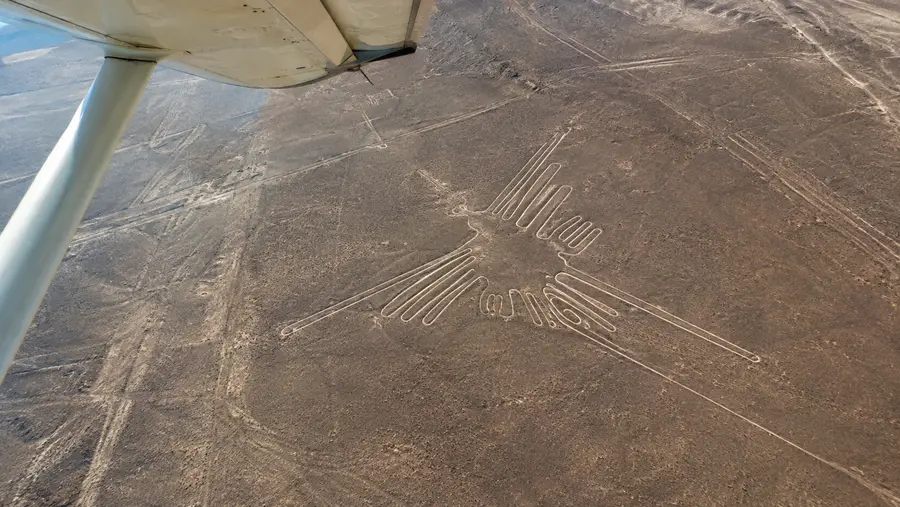
Weather governs everything in Nazca. Early mornings often bring low-hanging coastal fog, locally called camanchaca, drifting inland from the Pacific across the coastal hills. Even if the airport runway is bathed in blinding sunlight, the pampa where the geoglyphs sit might be blanketed in grey soup. The control tower grounds all planes until visibility hits five kilometers. A flight window booked for 8:00 AM can easily slide to 10:30 AM if the fog lingers.
By late morning, a different problem emerges. As the desert baking heats the dark alluvial stones, warm air columns rise violently off the ground. The wind picks up, generating sharp downdrafts and crosswinds. Flying after 11:30 AM means a bumpier ride. The pilot must bank the aircraft at steep 55-degree angles to let both sides of the cabin see each drawing. Combine sharp, repetitive tilting with midday desert turbulence, and half the cabin will be reaching for barf bags within fifteen minutes.
Pro tip: Request a flight departure between 7:30 AM and 9:30 AM. Desert thermals kick up rough turbulence by midday, and morning haze typically burns away completely right around 8:00 AM.
Plan your transit day with generous margins. Never book a departure bus that leaves Nazca at 11:00 AM assuming your 8:30 AM flight will finish on time. Delays of two or three hours happen regularly, and airlines do not compensate you for missed long-distance buses. Leave at least five hours between your airport arrival and any outgoing transport.
Book your nazca lines flight experience:
Step-by-Step Nazca Lines Book Flight Process
Once you are ready to book flight over nazca lines, having your paperwork sorted avoids frantic phone calls or lost deposits. The process involves a couple of specific requirements that trip people up every week.
Airlines weigh every single passenger alongside their carry-on gear during check-in. This is not an invasion of privacy; it is mandatory physics. Cessnas require strict weight distribution across the fuselage to maintain balance during aggressive turning maneuvers. You will stand on an industrial scale next to the counter while an agent records your kilograms on a clipboard.
- Original physical passport: Airport security will not accept digital photos, photocopies, or foreign driver licenses under any circumstance.
- Exact passenger weights: When completing your nazca lines book flight forms online, supply accurate body weight so the airline can balance passenger groups.
- Cash for local airport fees: Have Peruvian soles ready to pay the 77-sol airport use tax (TUUA) and tourist development fee directly to the airport authority window.
- Light daypack only: Large backpacks, rolling suitcases, and heavy trekking bags must stay behind in the airline's secure luggage lockers during the flight.
After clearing the baggage scale, you will pay the separate airport fee at a dedicated municipal counter. You receive a paper boarding pass and wait in the gate lounge until your group number is called. A short security checkpoint checks your passport against your ticket, and then a ground crew member walks your flight crew out across the tarmac.
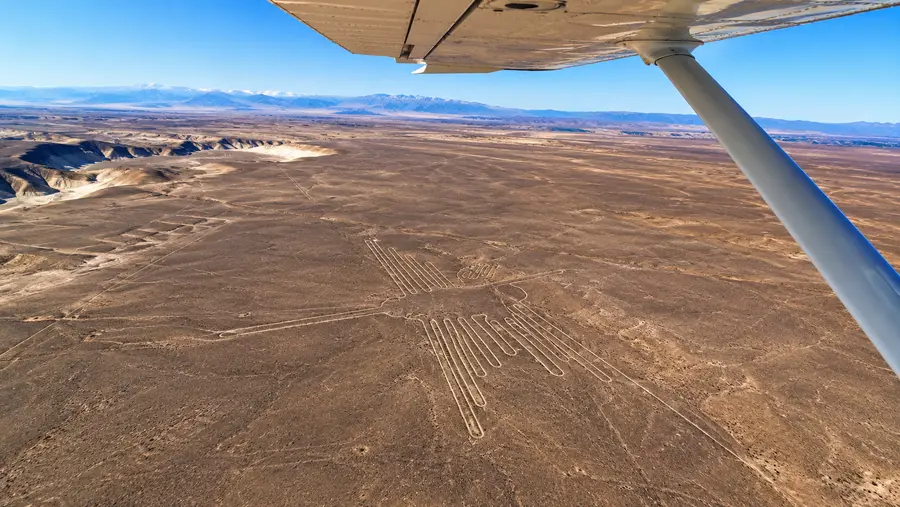
Inside the cabin, the noise hits you immediately. The ground crew will hand you chunky aviation headsets. These reduce engine roar and let the co-pilot guide your eyes across the desert floor. Finding a shallow, faded line scratched on a stony plain from 2,500 feet up is harder than it looks on high-contrast postcard photos. The crew will shout directions: "Look off the left wingtip, past the dry creek bed, monkey tail is curling left!" Then the plane tilts sharply, leveling out only to pivot right so the opposite seats can see.
Practical Flight Day Tips and Avoiding Scams
A successful flight comes down to managing your body and your money sensibly. The motion sickness is real, even for seasoned offshore sailors. The pilot banks thirty times in thirty-five minutes, circling each figure in tight loops. Skipping heavy meals is the smartest thing you can do.
Eat a dry piece of toast and skip dairy, fried food, and heavy coffee before heading to the terminal. Take dimenhydrinate (Dramamine) or another motion sickness pill thirty minutes before stepping foot on the runway. If you wait until the plane starts taxiing, the medicine will not reach your bloodstream before the pilot enters the first steep bank over the Whale geoglyph.
- Seat assignment strategy: You cannot choose your exact seat on a Cessna; the ground crew seats you based entirely on passenger weight distribution.
- Camera lens choices: Leave wide-angle phone lenses turned off because the lines look tiny; use a standard 35mm to 70mm lens to frame figures cleanly.
- Keep your eyes outside: Staring down at your camera screen or viewfinder while the plane banks is the fastest way to trigger intense nausea.
- Watch for Palpa line options: If you have extra budget, ask about the extended 60-minute route covering both Nazca and the older human figures at Palpa.
Be vigilant about ticket pricing if you book a nazca lines flight through street kiosks. A few unscrupulous storefronts sell vouchers that look like airline tickets but are actually just reservations with third-party transport companies. When you arrive at the airport, you find out the ticket only covers the bus ride out to the terminal, and you still owe the full airfare to the airline. Always confirm that your voucher lists a licensed air operator name, a confirmed reservation code, and explicit payment terms.
Frequently Asked Questions about nazca lines flight booking
How far in advance should I book my flight?
Booking two to three weeks ahead is smart if traveling during the busy months between June and September. For the rest of the year, reserving three or four days in advance gives you your pick of early morning slots, though walk-ins can still find seats on the same day.
Can children book a nazca lines flight?
Yes, children can fly. Kids over two years old require their own full-price seat because aircraft weight limits apply equally regardless of passenger age. Most operators discourage taking infants or toddlers under three due to steep cockpit banking, cabin noise, and sudden ear-pressure changes.
What happens if bad weather cancels my flight?
If morning fog or high desert winds prevent planes from flying, operators will roll your departure into the next available clearing window later that afternoon. If the entire day is scrubbed, reputable airlines provide a full refund minus a modest credit-card processing fee, or reschedule you for the following morning.
Is it better to fly from Nazca, Ica, or Pisco?
Flying directly out of Nazca is the cheapest option by a wide margin, usually under $120. Flights out of Pisco or Ica cost $250 to $350, but they save you seven hours of bus transit if you are coming straight down from Lima on a short weekend trip.
Quick Reference
- Flight time: 30 to 35 minutes
- Airport tax: 77 soles paid in cash or card
- Best departure window: 7:30 AM to 9:30 AM
- Mandatory ID: Original physical passport
- Standard aircraft: Cessna 206, 207, and 208 Caravan
Book your nazca lines flight experience:
The Bottom Line
Standing in the desert gravel looking at an empty runway might test your patience if morning fog rolls in, but seeing the Spider and the Hummingbird etchings appear through the cockpit glass makes the whole booking rigmarole worth it. Lock in an early morning flight window online a couple of weeks before your bus pulls into Ica or Nazca, take your motion sickness pill with a glass of water before leaving your hostel, and leave your heavy luggage at the check-in desk. Once the engine roars and the plane climbs over the brown desert plateau, you will be very glad you did not leave the details to chance.
Read more about nazca lines flight.